The ODDO Vallon des Glauges estate is certified "AB"
Après 3 ans de conversion en Bio, le Domaine ODDO Vallon des Glauges a reçu la certification « agriculture biologique ». Une reconnaissance qui s’inscrit dans la lignée des actions entreprises par la famille ODDO et la direction du Vallon en faveur d’une viticulture engagée et respectueuse de l’environnement.
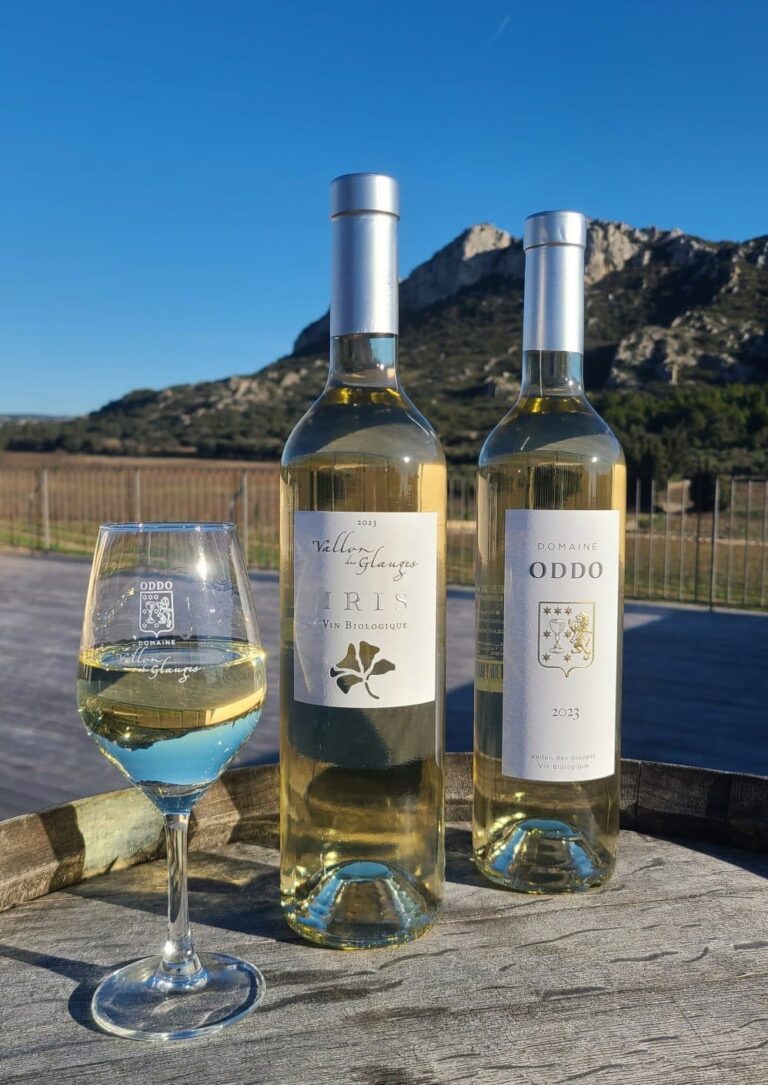
The first organic vintages, the Iris blanc 2023 and the ODDO blanc cuvée 2023, were bottled last December. Fruity and aromatic, these wines are available for tasting at the cellar.
What is organic farming?
Organic farming is a production method that employs agricultural practices mindful of respecting natural balances. It integrates a high degree of biodiversity as well as the preservation of natural resources. Frequent inspections, with strict regulatory requirements, are carried out by organizations accredited by the National Institute of Origin and Quality. Among the criteria, the use of natural products containing at least 95% certified organic agricultural ingredients.
Organic farming has many advantages. It provides a beautiful quality to the wine, it preserves the terroirs, as well as the health of the winemakers and consumers.
Organic farming is at the heart of every step, from soil work to winemaking.
Organic farming at the estate encompasses various practices. Among them, the use of organic fertilizers, herbal decoctions, and a specific vine pruning technique: the Royat cordon.
The ODDO Vallon des Glauges estate also practices controlled cover cropping over a large part of its 50 hectares of vineyards. With a total area of 72 hectares, the remaining 22 hectares are occupied by olive groves and the Provençal scrubland.
A beautiful variety of plants has been planted between the vines. Each one plays a specific role in the development of our plots. Fava beans enrich the soil with nitrogen. Wheat and rye limit the growth of weeds, just like white mustard, which serves as a true green fertilizer and natural repellent.
These intercrops or inter-row crops contribute to the fight against erosion of the calcareous and sometimes steep soils of the Vallon. They also provide organic matter that helps control weeds. Finally, sowing a cover crop limits the vigor of the vine, as it competes with the sown crops. This competition helps control the vine's growth and results in higher quality grapes.
The estate also has numerous hedges, which serve as true windbreaks. They provide a habitat for local biodiversity.
This sustainable and holistic approach helps protect the richness and diversity of the property's vegetation, while also creating an ideal habitat for pollinating bees. Several beehives are installed on the estate.
Winemaking in organic farming
This meticulous work continues in the winery and cellar, where the same care is taken during the various stages of winemaking. The organic charter involves the exclusive use of natural ingredients (or inputs) listed in the specifications. Specific guidelines must be followed during winemaking to ensure the quality and traceability of the wine.
All of these measures, combined with the expertise of our teams in the vineyards and cellar, allow us to produce exceptional, elegant, and fruity wines while respecting the environment.


